
The Advancement of VPN Technology: From Corporate Tool to Consumer Essential
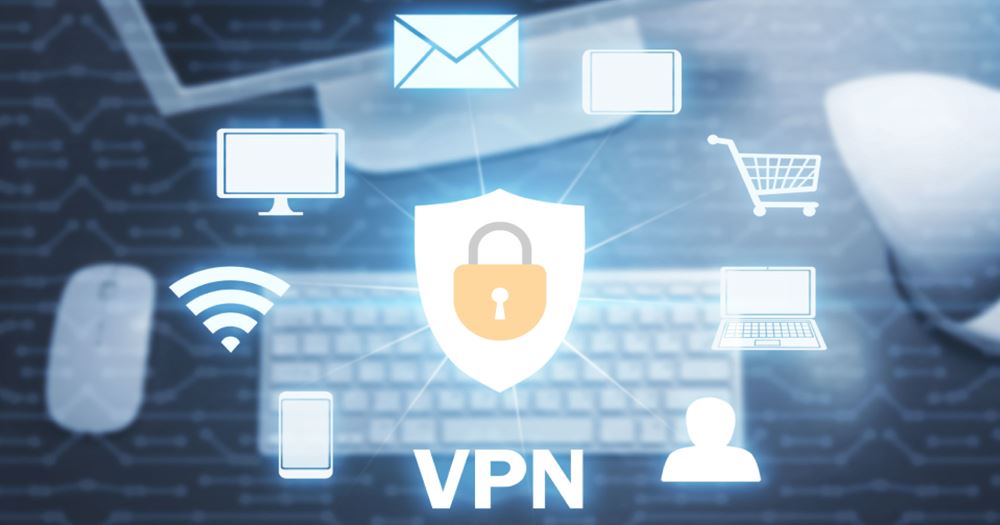
Virtual Private Network (VPN) technology has transformed from a niche solution for corporate security into an indispensable tool for individuals seeking privacy and online protection. Initially developed to safeguard business communications, VPNs have now become essential for personal security, unrestricted access to information, and protection against cyber threats. Understanding the shifts in how VPNs are used provides insight into why they have become a necessity in today’s digital world.
The Corporate Beginnings of VPN Technology
The earliest VPNs were designed to address a critical business need: secure remote access to company networks. As businesses expanded across multiple locations and remote work became more common, organizations required a way for employees to connect to internal systems without exposing sensitive data to external threats.
Companies developed encrypted tunnels that allowed remote users to access corporate servers while preventing unauthorized interception of information. These early VPNs were primarily used by multinational corporations, government agencies, and financial institutions to ensure that confidential communications remained protected, regardless of location.
Expanding Beyond Enterprises: VPNs for Professionals and Small Businesses
As digital threats became more sophisticated, professionals working outside large corporations recognized the importance of VPNs in securing their communications. Consultants, freelancers, and small business owners began adopting VPNs to protect sensitive contracts, financial transactions, and proprietary data.
This shift was particularly significant for industries that handle confidential client information, such as legal, healthcare, and technology services. Without the security provided by a VPN, professionals risked exposing private records to cybercriminals, data leaks, and surveillance. The need for secure remote access extended beyond large organizations, pushing VPN providers to create more accessible and user-friendly solutions.
The Rise of Consumer VPNs: Privacy in the Digital Age
As online activity became an integral part of daily life, concerns over privacy and data security grew. Internet service providers, advertisers, and even governments began tracking users’ digital footprints, leading individuals to seek greater control over their online presence.
Consumer VPNs emerged as a response to these concerns, offering encryption and anonymity to everyday users. By masking IP addresses and securing internet connections, VPNs prevented third parties from monitoring browsing habits, collecting personal data, or restricting access to certain websites.
The demand for personal VPNs surged with increased awareness of cyber threats, data breaches, and invasive surveillance practices. Unlike earlier corporate-focused VPNs, consumer VPN services prioritized ease of use, allowing individuals to secure their devices with minimal technical knowledge.
Bypassing Geographical Restrictions and Censorship
Another factor driving the widespread adoption of VPNs is the ability to bypass geographical restrictions and internet censorship. Many online services, including streaming platforms, news websites, and social media networks, impose regional restrictions that limit access based on location.
Users in restricted regions utilize VPNs to access information and services freely, ensuring that they are not subjected to limitations imposed by governments or corporations. Journalists, activists, and citizens in countries with strict internet regulations rely on VPNs to communicate securely and access unbiased news sources.
For the average consumer, VPNs provide unrestricted access to entertainment, allowing individuals to stream content from different regions without artificial limitations. This aspect of VPN usage highlights how the technology has evolved beyond security concerns to encompass digital freedom and accessibility.
Strengthening Cybersecurity in an Era of Increasing Threats
With the rise of cyberattacks, data theft, and phishing scams, VPNs have become a fundamental layer of defense against online threats. Public Wi-Fi networks, commonly found in coffee shops, airports, and hotels, pose significant risks, as they often lack encryption and are easily exploited by hackers.
A VPN protects users by encrypting internet traffic, preventing cybercriminals from intercepting sensitive information such as passwords, financial details, and private communications. This security measure is particularly crucial for those who handle confidential data or frequently conduct online transactions.
As businesses and consumers continue to face growing cybersecurity challenges, VPN technology has evolved to incorporate advanced encryption methods, multi-device protection, and automatic security features that guard against potential vulnerabilities.
The Future of VPN Technology: An Essential Tool for Everyone
VPNs have moved far beyond their origins as a corporate security measure. They are now a fundamental tool for individuals and businesses alike, ensuring privacy, security, and unrestricted access to information. As cyber threats continue to evolve, VPN providers are enhancing their offerings with features such as zero-log policies, multi-hop connections, and AI-driven security enhancements.
The increasing reliance on digital communications, remote work, and cloud-based services has solidified VPNs as a necessity rather than a luxury. Whether protecting business data, securing personal information, or bypassing online restrictions, VPN technology has become an indispensable safeguard in today’s interconnected world.