
Cloud Migration Best Practices for a Smooth and Successful Transition
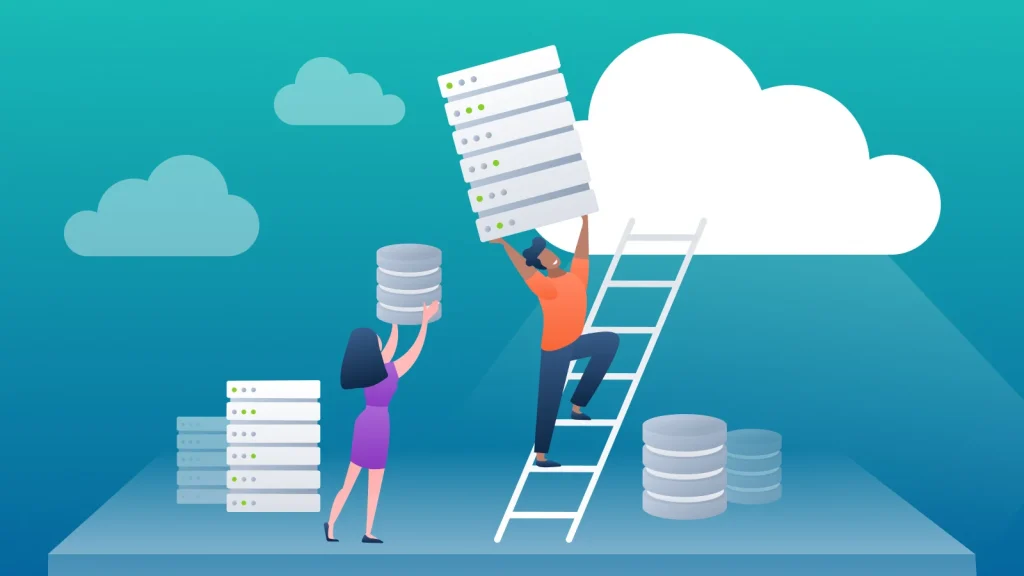
Migrating to the cloud has become a strategic priority for organizations seeking agility, scalability, and cost efficiency. However, a cloud migration project can quickly become complex without proper planning and execution. By following a structured approach and industry-proven practices, businesses can minimize disruption and achieve a faster, more secure transition.
Understanding the Importance of Cloud Migration
Cloud migration involves moving digital assets—such as applications, data, and workloads—from on-premises infrastructure to a cloud environment. This shift enables organizations to optimize resources, reduce operational costs, and improve performance. Still, the success of a migration depends heavily on preparation, architectural decisions, and post-migration management.
Key Best Practices for a Smooth Cloud Migration
1. Establish Clear Objectives
Before beginning any migration process, define why you are moving to the cloud. Clear objectives help guide architectural decisions and resource allocation.
Common goals include:
-
Lowering infrastructure costs
-
Enhancing scalability
-
Improving security and compliance
-
Modernizing legacy applications
2. Conduct an In-Depth Assessment
A detailed evaluation of your current IT environment provides insights into dependencies, workloads, and performance baselines.
Important assessment steps:
-
Identify applications suitable for migration
-
Analyze network capacity and resource utilization
-
Evaluate compliance and security requirements
-
Determine cost projections
3. Choose the Right Migration Strategy
Selecting an approach tailored to your business improves efficiency and reduces risks.
Popular strategies:
-
Rehost (lift and shift): Quick and efficient for simple workloads
-
Refactor: Modify parts of the application to leverage cloud-native features
-
Rearchitect: Rebuild applications for enhanced scalability and resilience
-
Replace: Move to SaaS solutions where appropriate
4. Prioritize Security and Compliance
Security must be embedded throughout the migration lifecycle.
Key considerations:
-
Enable encryption for data in transit and at rest
-
Implement identity and access management (IAM) controls
-
Regularly audit logs and user activity
-
Ensure the cloud provider meets industry compliance standards
5. Optimize Workloads Before Migration
Migrating unoptimized workloads can increase cloud expenses. Review and streamline inefficient processes beforehand.
Optimization techniques:
-
Remove unused data or dormant applications
-
Consolidate storage
-
Update outdated libraries or systems
6. Implement a Detailed Migration Plan
A structured migration roadmap helps maintain clarity and minimizes errors.
Your migration plan should include:
-
A phased timeline
-
Roles and responsibilities
-
Data migration procedures
-
Rollback and risk-mitigation strategies
7. Test Extensively Before Full Deployment
Testing validates functionality, performance, and stability in the new environment.
Conduct tests such as:
-
Load testing
-
Integration testing
-
Security vulnerability assessments
8. Monitor and Optimize After Migration
Cloud migration does not end after deployment. Continuous monitoring ensures long-term success.
Focus on:
-
Performance tracking
-
Cost optimization using cloud-native tools
-
Scaling resources based on real usage
-
Regular security reviews
Conclusion
A smooth cloud migration requires strategic planning, rigorous testing, and ongoing optimization. By understanding business goals, choosing the right migration strategy, and maintaining strong security practices, organizations can seamlessly transition to the cloud and unlock its long-term benefits.
FAQs
1. How long does a typical cloud migration process take?
The timeline varies based on workload complexity, data volume, and the chosen migration strategy. Small migrations may take weeks, while enterprise-level transitions can span months or longer.
2. What are the most common challenges during cloud migration?
Organizations often face issues such as application incompatibility, unexpected costs, data security concerns, and downtime due to inadequate planning.
3. Do all applications need to be modernized before migration?
Not necessarily. Some applications can be rehosted quickly, while others benefit from refactoring or rearchitecting to maximize cloud performance.
4. Which cloud deployment model is best for migration?
The ideal model—public, private, or hybrid—depends on factors such as compliance requirements, data sensitivity, and workload patterns.
5. How can companies control cloud costs after migration?
Monitoring tools, resource right-sizing, automated scaling, and eliminating idle resources help maintain cost efficiency.
6. Is data migration risky?
Risks exist, especially around data loss or corruption. Proper backups, encryption, and testing significantly reduce these risks.
7. What skills are needed for a successful cloud migration team?
Teams often require cloud architects, security specialists, DevOps engineers, and project managers with hands-on cloud experience.