
Why Every Company Needs a Cybersecurity Roadmap
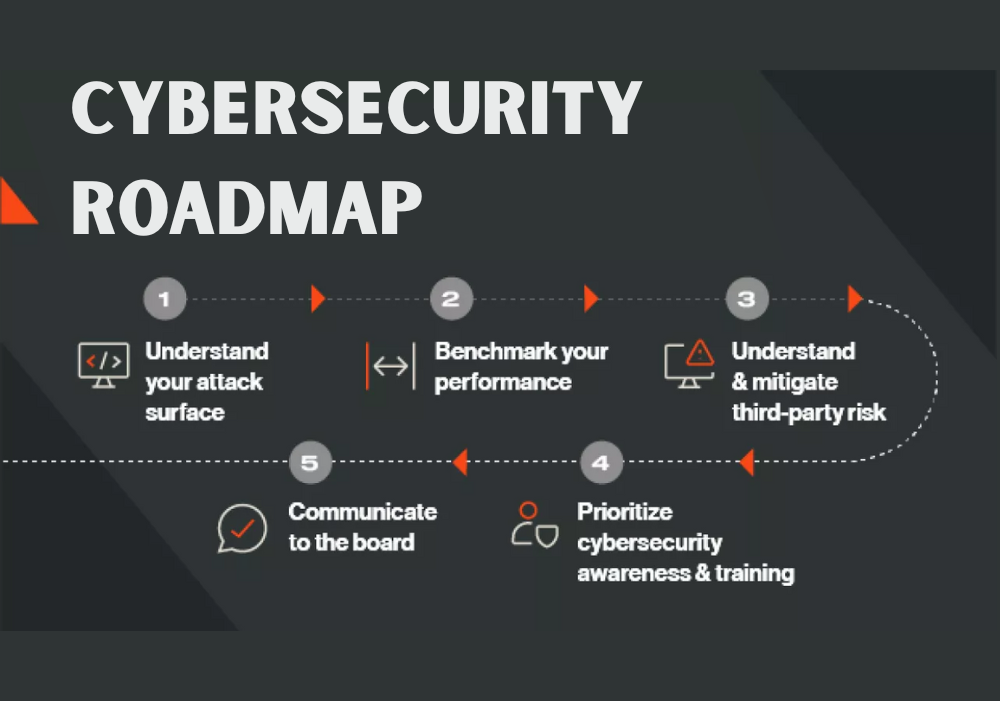
A cybersecurity roadmap is no longer optional—it is a foundational requirement for any organization operating in the digital age. As cyber threats grow in sophistication and frequency, businesses must adopt a structured, forward-thinking approach to security. A roadmap provides this structure by aligning cybersecurity efforts with organizational goals, risk levels, and compliance demands.
What Is a Cybersecurity Roadmap?
A cybersecurity roadmap is a strategic plan that outlines the security initiatives a company must implement over time. It acts as a blueprint for strengthening defenses, managing risks, and ensuring all departments work together toward long-term security maturity.
Why a Cybersecurity Roadmap Is Essential
1. Helps Companies Prioritize Risks
Organizations face countless security threats, but not all pose the same level of risk. A roadmap enables leadership to:
-
Identify critical vulnerabilities
-
Rank risks based on potential business impact
-
Allocate budgets and resources effectively
This structured prioritization keeps businesses focused on what matters most.
2. Ensures Strategic Alignment with Business Goals
Cybersecurity should support business growth—not hinder it. A roadmap ensures that security initiatives:
-
Match the company’s expansion plans
-
Support digital transformation projects
-
Enable safe adoption of new technologies
When cybersecurity aligns with business objectives, organizations gain competitive agility.
3. Strengthens Compliance and Regulatory Readiness
With evolving data protection laws such as GDPR, HIPAA, and PCI-DSS, compliance is a moving target. A roadmap helps companies:
-
Track upcoming regulatory changes
-
Prepare policies and controls ahead of deadlines
-
Reduce the risk of costly non-compliance penalties
Having a plan also simplifies audits and reporting.
4. Improves Incident Response Capabilities
A cybersecurity roadmap outlines the tools, training, and processes needed to respond to threats quickly. This results in:
-
Faster detection and containment
-
Reduced downtime and financial loss
-
Better coordination during security breaches
Proactive preparation is far more effective than reactive scrambling.
5. Promotes Company-Wide Security Awareness
Cybersecurity is not just an IT problem—it involves everyone in the organization. A roadmap encourages cultural change by:
-
Establishing ongoing employee training
-
Integrating security into everyday operations
-
Creating accountability across departments
Employees become the first line of defense rather than a vulnerability.
6. Offers Long-Term Cost Efficiency
Unplanned security spending is expensive. A roadmap helps companies:
-
Forecast investments over multiple years
-
Consolidate overlapping tools
-
Avoid emergency spending during crises
Strategic planning significantly reduces unnecessary costs.
7. Supports Continuous Improvement
Cyber threats evolve quickly—your security measures should, too. A roadmap ensures:
-
Regular assessments and updates
-
Adoption of new protective technologies
-
Ongoing refinement of policies and procedures
This continuous cycle strengthens resilience over time.
How to Build an Effective Cybersecurity Roadmap
1. Assess Current Security Posture
Start with a thorough evaluation of:
-
Existing security controls
-
System vulnerabilities
-
Current incident response readiness
-
Regulatory requirements
This baseline assessment guides all future decisions.
2. Define Business and Security Objectives
Clarify what the organization aims to achieve, such as:
-
Reducing risks
-
Achieving compliance certifications
-
Improving data protection
-
Supporting cloud migration
Clear objectives keep the roadmap strategic and focused.
3. Prioritize Key Initiatives
Common roadmap components include:
-
Multi-factor authentication (MFA)
-
Threat detection and monitoring
-
Employee security training
-
Cloud security enhancements
-
Data encryption projects
-
Backup and disaster recovery improvements
Select initiatives based on impact and urgency.
4. Establish a Timeline
A roadmap typically includes short-term, mid-term, and long-term milestones. This structured timeline makes execution manageable and trackable.
5. Assign Roles and Resources
Determine who is responsible for:
-
Policy creation
-
Technical implementations
-
Compliance oversight
-
Employee training
Clear ownership prevents delays and accountability gaps.
6. Monitor Progress and Adjust
A strong roadmap is flexible. Regular reviews help companies:
-
Address new threats
-
Update priorities
-
Measure progress through KPIs
This adaptability ensures the roadmap remains relevant.
FAQ
1. How often should a cybersecurity roadmap be updated?
Most organizations update their roadmap annually, but high-risk industries may revise it quarterly to stay aligned with emerging threats.
2. Is a cybersecurity roadmap only for large enterprises?
No. Small and medium-sized businesses face significant cyber risks and benefit greatly from a structured security plan.
3. Who is responsible for creating the cybersecurity roadmap?
Typically, the IT or security team leads the effort, but executive leadership, compliance officers, and department heads should all contribute.
4. What tools help support a cybersecurity roadmap?
Threat intelligence platforms, risk assessment tools, security information and event management (SIEM) systems, and vulnerability scanners are commonly used.
5. Can a roadmap help justify cybersecurity budgets?
Yes. A detailed roadmap clearly shows why certain investments are necessary, helping leaders make informed financial decisions.
6. How long does it take to implement a cybersecurity roadmap?
Implementation varies by organization size and complexity. Most companies build roadmaps covering one to three years of planned initiatives.
7. What happens if a company operates without a cybersecurity roadmap?
Without a roadmap, businesses face fragmented security efforts, higher breach risk, poor compliance readiness, and unpredictable costs.