
Are Bluetooth Wireless Earbuds Safe for Your Brain?
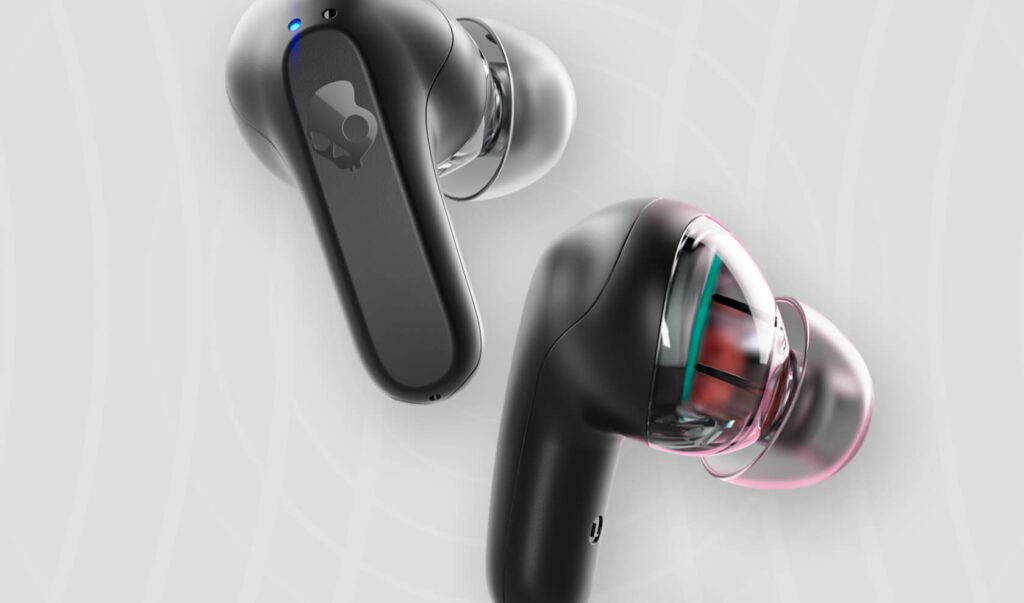
As Bluetooth wireless earbuds have gained immense popularity, many users have raised concerns about their safety, particularly regarding potential health risks associated with electromagnetic radiation. While the convenience and sound quality of these devices are undeniable, it’s crucial to examine the scientific evidence surrounding their safety and any potential effects on brain health. In this article, we will explore the electromagnetic radiation emitted by Bluetooth devices, the current research on their impact on the brain, and practical measures to ensure safe usage.
Understanding Bluetooth Technology
- What is Bluetooth?
Bluetooth technology enables short-range wireless communication between devices. It operates using radio frequency (RF) signals, typically within the 2.4 GHz frequency range, which is the same range used by many household devices, such as Wi-Fi routers and microwave ovens. Bluetooth connections are designed for low power consumption, making them suitable for portable devices like earbuds.
- Electromagnetic Radiation and the Human Body
Electromagnetic radiation is a form of energy that travels through space. It encompasses a wide spectrum, including radio waves, microwaves, infrared, visible light, ultraviolet, X-rays, and gamma rays. While some forms of radiation (like X-rays) are harmful in high doses, others, like radio waves from Bluetooth devices, are classified as non-ionizing radiation. Non-ionizing radiation does not carry enough energy to ionize atoms or molecules, meaning it’s less likely to cause cellular damage.
The Science Behind Bluetooth and Brain Health
- Current Research Findings
Several studies have examined the effects of Thesparkshop.in batman style wireless BT Earbuds on brain health. Here’s what the current scientific literature suggests:
- Radiation Levels: Research indicates that the RF radiation emitted by Bluetooth devices is significantly lower than that of cell phones. The specific absorption rate (SAR), which measures the rate at which the body absorbs RF energy, for Bluetooth devices is usually much lower than the safety limits established by health organizations.
- Long-Term Effects: A comprehensive review published by the World Health Organization (WHO) states that no adverse health effects are expected from the use of wireless technologies, including Bluetooth. Most studies have focused on prolonged exposure to higher RF levels (like those from cell phones) rather than the low levels emitted by Bluetooth earbuds.
- Cognitive Function: Some studies have explored whether long-term use of Bluetooth devices can impact cognitive function or brain activity. While there have been anecdotal reports of headaches or dizziness associated with prolonged use, scientific studies have not consistently supported these claims. The majority of research has failed to find a significant link between Bluetooth use and cognitive impairment.
- Specific Concerns
Despite the general consensus on the safety of Bluetooth devices, some specific concerns remain:
- Thermal Effects: Prolonged exposure to RF radiation can lead to tissue heating, but the levels emitted by Bluetooth devices are well within safe limits, making significant thermal effects unlikely.
- Non-Thermal Effects: Some researchers continue to investigate the possibility of non-thermal effects from long-term exposure to RF radiation. However, current evidence does not substantiate claims of adverse health outcomes.
Expert Opinions
- Health Organizations’ Stance
Reputable health organizations, including the WHO, the Federal Communications Commission (FCC), and the American Cancer Society, generally consider Bluetooth devices safe for use. They advise users to follow manufacturer guidelines to mitigate any potential risks associated with excessive use.
- Advice from Medical Professionals
Many medical experts emphasize moderation. While RS 119 only wireless earbuds for gaming & music bluetooth earbuds are deemed safe, they recommend taking breaks during prolonged usage and ensuring proper fit to avoid discomfort. Additionally, keeping the volume at reasonable levels can prevent auditory issues over time.
Practical Measures for Safe Use
To enhance safety and comfort while using Bluetooth earbuds, consider the following practical measures:
- Limit Duration of Use
To reduce potential exposure to RF radiation and prevent auditory fatigue, limit the duration of use. Taking breaks every hour can help mitigate any discomfort or strain on your ears.
- Use Wired Alternatives When Necessary
If you have concerns about long-term exposure or simply want a break from wireless technology, consider using wired earbuds for specific activities, such as long listening sessions or while sleeping.
- Maintain Safe Volume Levels
Listening at excessively high volumes can damage your hearing over time. Keep the volume at a reasonable level, and consider using noise-canceling features that allow for lower volume listening without compromising sound quality.
- Stay Informed
Stay updated on emerging research regarding Bluetooth technology and health. New findings may arise, and being informed can help you make educated decisions about your device usage.
Conclusion
The question of whether Bluetooth wireless earbuds are safe for your brain has been met with extensive research and scrutiny. Current scientific evidence supports the notion that Bluetooth devices, including earbuds, emit low levels of non-ionizing radiation that are well within established safety limits. Most reputable health organizations consider them safe for everyday use.